
Where Kindness Begins
On Solomon, the ego, and the wisdom that becomes kindness


Imagine facing a tough decision at work where the stakes are high, emotions are intense, and the solution isn’t immediately apparent. It could be a heated debate with a colleague or a project with far-reaching consequences.
In moments like these, knowledge and technical skills, while important, aren’t enough. What you truly need is wisdom—the ability to step back, sift through the complexity, understand the different perspectives at play, and manage your own emotions.
And as we’ve been writing about in this series, kindness begins here too. It rises from the same inner ground as wisdom.
Wisdom is often defined as the integration of mental, emotional, and social intelligence that allows us to thoughtfully interpret and respond to challenges. We have all encountered situations where someone, convinced of their “superior” knowledge and intelligence, made decisions that ultimately proved unwise.
To make wise decisions, we must be aware of our own biases and attuned to the thoughts and feelings of others. Wisdom requires us to step back from raw emotions and personal prejudices, gain a broader perspective, and choose actions that serve the greater good, even when not everyone may feel their personal interests are met.
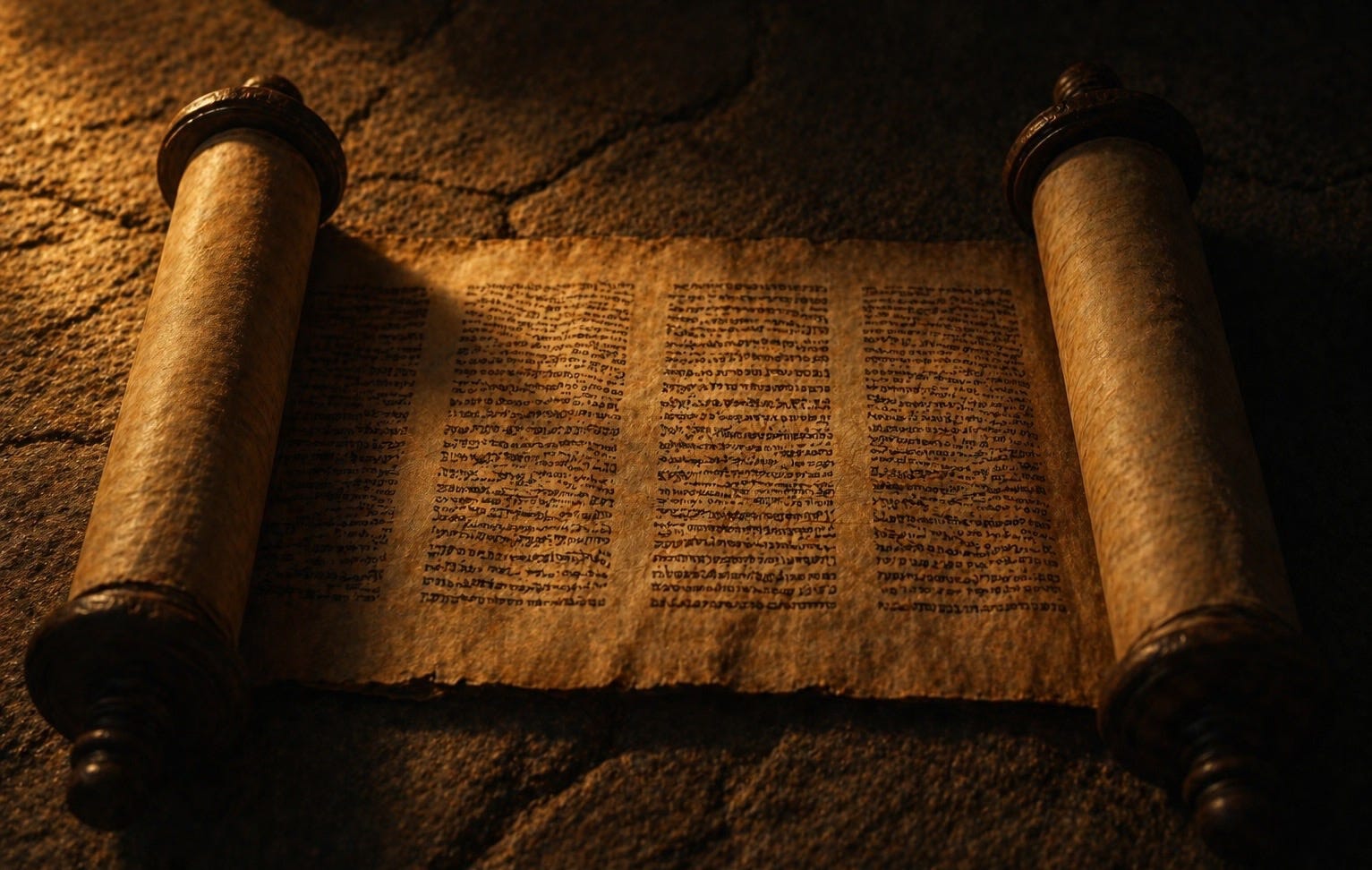
In the Bible, King Solomon is regarded as the wisest man in the world. According to the story, Solomon received wisdom as a divine gift after he asked God for discernment to lead his people, choosing wisdom over wealth or power.
One famous account highlighting his wisdom involves two women who came before him, each claiming to be the mother of the same infant. The conflict arose when one woman’s baby tragically died, with both women now claiming the surviving child.
In a display of insight, Solomon proposed to resolve the dispute by cutting the baby in half and giving each woman a portion. One woman agreed, but the other, overcome with love and compassion, pleaded to give the child to the other woman rather than see him harmed.
Recognizing the true mother’s selfless heart, Solomon ordered the child be given to her, demonstrating his ability to discern truth and justice in even the most emotional situation.
Later in Solomon’s story, however, it becomes evident that he did not display the same level of wisdom in his personal life. The Bible tells us that Solomon had 700 wives and 300 concubines. Many of these marriages were politically motivated to secure alliances with other nations.
But these relationships diverted his focus, influenced his decisions, and contributed to Israel’s eventual downfall. Solomon’s wisdom brought him great wealth, and with wealth came power, which ultimately fed his ego. As his ego grew, it overshadowed his wisdom, leading him away from the discernment that once defined his leadership.
What we learn from Solomon’s story is that wisdom is lost when the ego takes control. The ego, which prioritizes self-preservation and self-importance, clouds our judgment, distorts our perception, and can lead even the wisest among us astray.
When the ego reigns, wisdom is overshadowed, and the ability to see clearly is compromised. Decisions driven by pride, fear, or the need for validation replace those guided by insight, compassion, and understanding. This shift away from wisdom’s light can have far-reaching consequences, as seen in Solomon’s eventual downfall.
What Is Wisdom?
The Book of Proverbs poetically depicts wisdom (hokhmah) as a female figure who exists alongside God at the foundation of the universe, pouring herself out in love and actively shaping all of creation. She is depicted not just as a distant, abstract force but as a nurturing figure who invites everyone to dine at her table, offering nourishment, healing, and restoration.
This portrayal of hokhmah emerged during a time of great suffering and captivity for the Jewish people, when the aftermath of wars had left many men dead, and there was a longing for a divine presence that embodied the loving, compassionate qualities of a mother. In this context, hokhmah became associated with the Messiah—a redeemer who would gather the people and pour herself out in love.
Scholars and mystics who have delved into the deeper meanings of hokhmah by analyzing its letters and linguistic roots reveal a profound connection between wisdom and consciousness. Hokhmah was understood as the initial spark of insight and self-awareness that gives rise to all creation, bridging individual consciousness with the divine source.

This wisdom was seen not just as knowledge but as koach mah, or “the power of selflessness,” emphasizing the surrender of the ego and merging one’s sense of self with the greater, unified consciousness of God.
And this is the soil where kindness grows.
In this mystical view, individual consciousness is not separate but is a reflection of the one ultimate consciousness—the divine “I am” that underlies all reality. Early Christian thought also embraced this connection, linking hokhmah with the concept of logos as described in the Gospel of John.
Here, wisdom is not just an abstract principle but is made manifest in Christ, embodying God’s self-awareness in human form. Christ represents the ultimate expression of wisdom, transcending personal ego and revealing the oneness of all existence.
In this view, Jesus’s awareness of his divine identity as Christ was a recognition that the individual “I” within his human form was one with the divine “I Am that I Am.”
Thus, in Jesus, the wisdom present at the beginning of creation was fully expressed in human form, mirroring the divine source of life through the lens of love, unity, and selflessness.
The Christ Within
There is a profound theme often missed in traditional Christianity: the understanding that the Messiah, or Christ, as seen by mystics, is not limited to a historical Jesus alone.
The idea of the “Christ in us,” or the universal Christ, had been hidden throughout the ages, but through the archetype of Jesus, it has been revealed to those who awaken to this deeper reality. This is what Jesus referred to as the kingdom of God within us.
The divine intelligence that permeates the universe, flows through consciousness—it is within us, around us, and omnipresent. When we return to the Beginning—to a place of inner stillness—we glimpse the kingdom of God and step into a realm of infinite wisdom.
This parallels concepts in quantum physics that suggest everything is interconnected at the deepest level. Theories like quantum entanglement and the unified field propose that the separateness we perceive is an illusion and that consciousness is not merely a byproduct of brain activity but the fundamental essence that underpins all reality.
What does this mean for us today?

Simply put, true wisdom emerges through inner stillness, because it allows us to view life beyond the ego. This becomes the source of our wellbeing, reshaping how we think and perceive reality.
Our minds are renewed, and qualities like patience, kindness, nonjudgment, confidence, forgiveness, and creativity become central to how we experience life. These qualities transform our interactions with others, leading to a more fulfilling life and possibly a more harmonious world.
And here is where kindness truly takes root. When wisdom rises from inner stillness, it shapes how we see one another — and how we treat the person in front of us.
This piece has been adapted from David Youngren’s book Life Ascending.