
Why We Try to Control Everything (And What Sets Us Free)
Understanding the Deeper Fear Behind Control—and How to Heal from Within

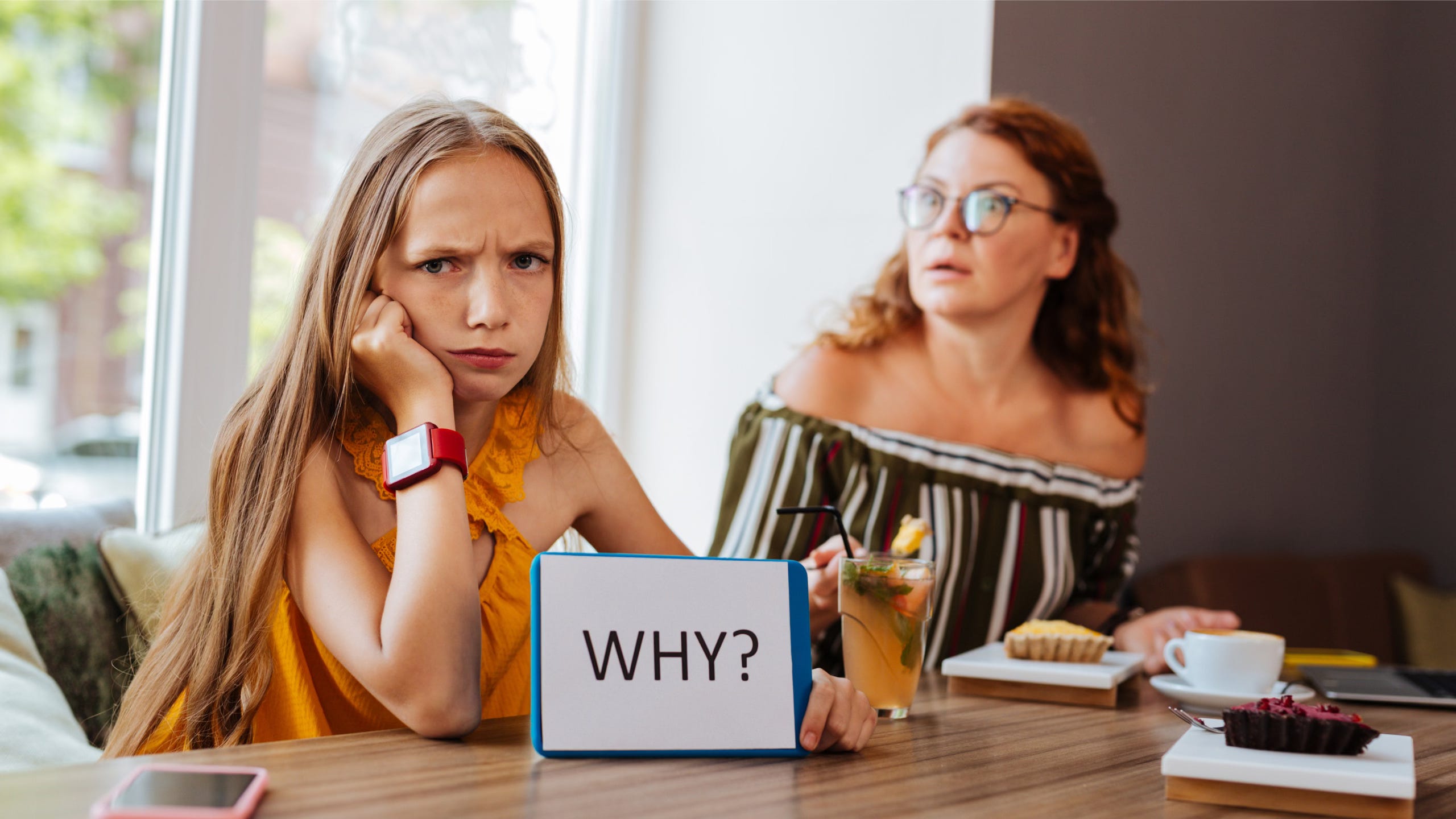
Most of us don’t think of ourselves as controlling. And yet, control shows up in the subtlest ways.
It’s there when we over-explain ourselves in an email. When we rehearse conversations in our heads. When we get irritated because someone didn’t load the dishwasher the “right” way, or because a friend didn’t respond the way we hoped.
It’s the tightening in your chest when someone you care about pulls away. It’s the constant overthinking. The pressure to do it all, and do it perfectly. The need to fix things before they fall apart. The inability to rest unless everything is in its place.
Control doesn’t always look like being demanding or domineering. Sometimes it looks like people-pleasing. Sometimes it looks like anxiety, or perfectionism, or productivity that never pauses.
In all these forms, the need to control is rarely about power. It’s about fear.
And most often, it’s the fear of rejection.

Where It Comes From
Somewhere early in life, many of us learned that being ourselves wasn’t always safe.
Maybe love was given only when you performed. Maybe the people you trusted weren’t consistent. Maybe you felt like you had to be the strong one, the good one, the one who didn’t cause problems.
So your nervous system adapted. It looked for ways to stay safe in a world that didn’t feel secure. And for many of us, the solution we found—subconsciously—was control.
Control gave us a sense of order. Predictability. Protection. It helped us avoid embarrassment, vulnerability, criticism, or being left behind.
We thought:
If I can manage what happens, I won’t get hurt.
If I can keep everyone happy, I won’t be rejected.
But here’s the truth: trying to control everything doesn’t lead to peace. It leads to exhaustion. It leaves us anxious and disconnected—from others, and from ourselves. We become stuck in our heads, constantly scanning, anticipating, adjusting.
And yet no matter how much we try, life refuses to be controlled. People have their own path. Plans fall apart. Emotions rise. The mind spins.
The deeper problem isn’t the circumstances—it’s that we’ve become separated from something more fundamental: Presence.

What Sets Us Free
Healing doesn’t begin by fixing the behavior. It begins by noticing what’s underneath.
The controlling part of you is protective. It’s trying to keep you from getting hurt. But it’s running the show based on an old script—one written during times you didn’t feel safe to simply be.
So when control shows up—when you find yourself anxious, micromanaging, or trying to force things to go a certain way—pause for a moment. Not to shame yourself. But to listen.
Ask:
What part of me is afraid right now?
What am I afraid might happen if I don’t take charge?
This kind of awareness creates a crack in the pattern. And in that small space, something deeper can begin to rise—a stillness, a presence that’s always been there beneath the noise.
That’s the part I point to in my work. Not the part of you that’s trying harder, performing better, or chasing peace like a prize. But the deeper presence within you that already is peace. It doesn’t react. It doesn’t control. It sees without grasping. Loves without clinging. Acts without fear.
This is what Jesus pointed to when he said, “The kingdom of God is within you.” He wasn’t offering a system to master or a set of beliefs to control others with. He was revealing the hidden dimension of divine presence—already within us—where love, not fear, becomes the source of our life.
This isn’t about letting go as a mental decision. It’s about becoming aware of the space in you that doesn’t need to control. That space is what heals.
As that awareness deepens, the need to manage every detail begins to soften. You don’t have to protect yourself through perfection or performance. You don’t have to keep proving or pleasing. You’re not living from fear anymore. You’re resting in presence.
And from that still, rooted place—decisions become clearer, relationships become more honest, and life begins to unfold in a new rhythm. Not always easy. But no longer driven by the fear of being unloved.
Because the truth is, you already are loved. Not because you’ve done everything right. Not because you’ve kept it all together. But because that love is the very ground of who you are.
If this post resonated with you, I’m truly grateful. There’s no billionaire backing this work, no corporate sponsorships, and definitely no secret media empire funding these reflections—just me, a laptop, and a passion to share what’s real and transformative.
If you’ve found these writings meaningful, consider becoming a paid subscriber. Your support helps keep this Substack going—and as a thank-you, you’ll get access to guided meditations, audio and video teachings, and other resources to support your journey toward mental wellbeing and a deeper, more awakened life.
Thanks for reading—and for being part of this space.